← Back to Folding Thoughts

🔍 Method Detective

Investigate how the method of creation shapes the meaning of knowledge

Knowledge Question
To what extent does the methodThe process or technique by which something is created or knowledge is produced of knowledge production determine the validityThe quality of being logically or factually sound; the degree to which something is accepted as true or legitimate of the knowledge itself?
Phase 1 of 5

The Method Mystery

You've intercepted 5 method descriptions. Each describes HOW something was created, but not WHAT was created.

Method A: Random Selection
The creator selected an ordinary object from daily life, signed it, and declared it complete. No physical modification was made to the object itself.
Method B: Systematic Color Theory
Thousands of tiny dots applied in precise patterns based on optical color mixing principles. A scientific approach to visual perception using systematic observationCareful, organized study following a specific method or theory.
Method C: Iconoclastic Performance
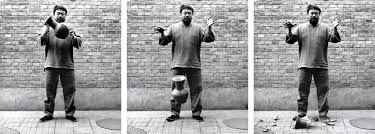
The creator deliberately destroyed a 2,000-year-old cultural artifact and photographed the act. The method is iconoclasticChallenging or destroying established beliefs, values, or cultural symbols destruction—making the act of breaking something the artwork itself.
Method D: Durational Presence
The creator sat silently for 736 hours while strangers took turns sitting across from her. The method is durationalArt that unfolds over an extended period of time, often involving endurance performance—using time, presence, and direct human connection as the artistic medium.
Method E: Conceptual Time
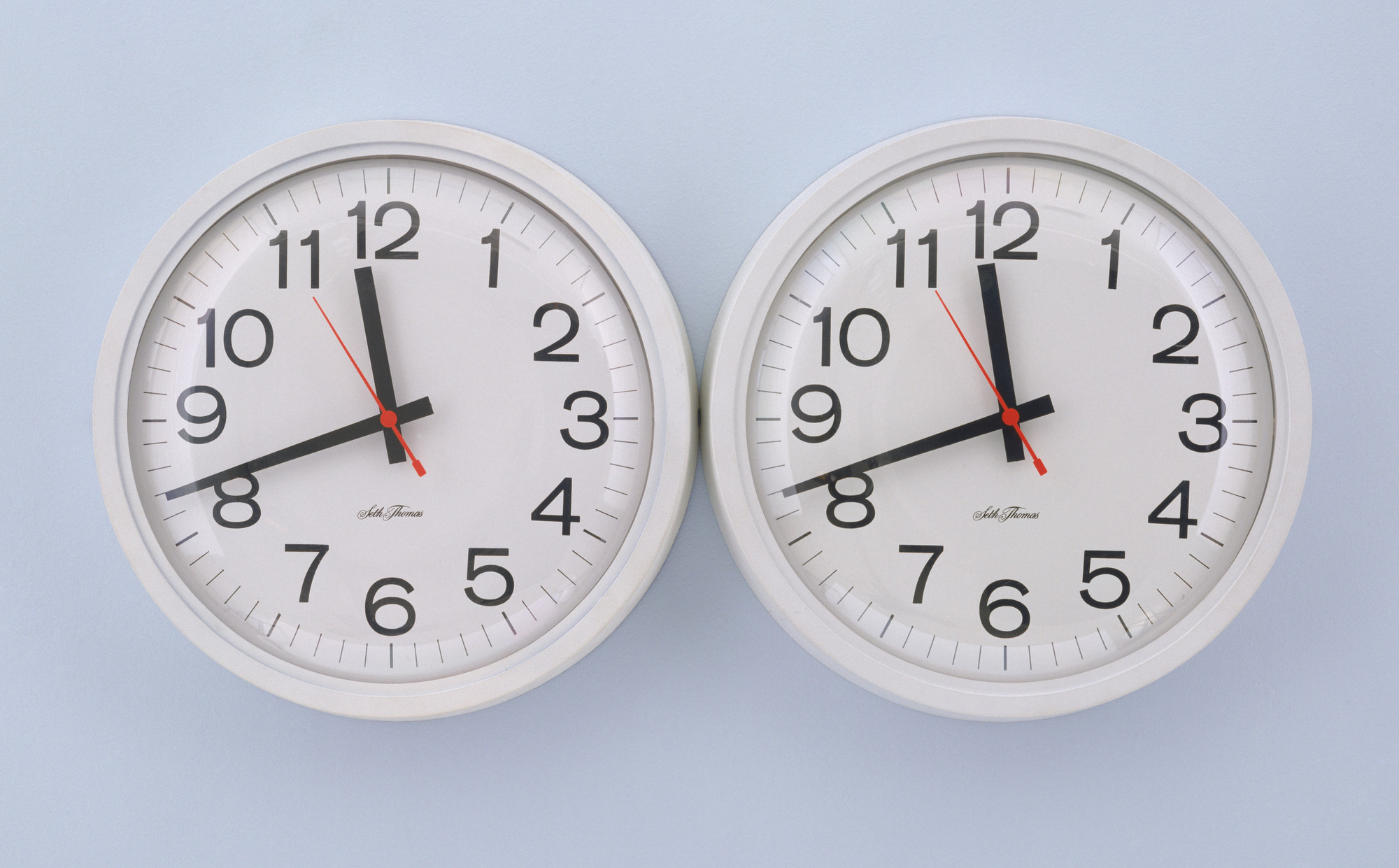
Two identical battery-powered clocks synchronized and hung side by side. The method uses time itself as material—as batteries drain at different rates, the clocks gradually diverge, creating a conceptualArt focused on ideas and concepts rather than aesthetic or material concerns meditation on mortality and separation.

Which method do you think produces the most meaningful knowledge?

Phase 2 of 5

The Reveal

Discover what each method created...

Method A created...

Marcel Duchamp - "Fountain" (1917)
A readymadeAn ordinary manufactured object designated by an artist as art urinal. The "method" IS the artistic statement: challenging what counts as art by selecting, not making.

Did knowing the method change what you understand about this knowledge?

Method B created...

Georges Seurat - "A Sunday Afternoon on the Island of La Grande Jatte" (1884-1886)
A pointillistA painting technique using small, distinct dots of color to form an image masterpiece using optical color mixing. The systematic method produces an effect impossible with traditional brushwork.

Method C created...

Ai Weiwei - "Dropping a Han Dynasty Urn" (1995)
A triptych of photographs showing the artist dropping and smashing a 2,000-year-old Han Dynasty urn. The iconoclasticChallenging or destroying established beliefs, values, or cultural symbols act of destruction becomes the artwork itself, questioning cultural value, authenticity, and the relationship between preservation and creation. The method—documented destruction—challenges whether creating art can mean destroying heritage.
Ai Weiwei Dropping a Han Dynasty Urn triptych

Method D created...

Marina Abramović - "The Artist Is Present" (2010)
A durationalArt that unfolds over an extended period of time, often involving endurance performance at MoMA where the artist sat silently for 736 hours over three months while visitors took turns sitting across from her. The method is presence itself—no object, no traditional skill, just sustained human connection. The artwork exists only in the ephemeral moments of confrontation between artist and participant.

📺 Watch: The Artist Is Present documentary excerpt

Marina Abramović The Artist Is Present performance

Method E created...

Felix Gonzalez-Torres - "Untitled (Perfect Lovers)" (1991)
Two identical battery-powered clocks hung side by side, initially synchronized. The conceptualArt focused on ideas and concepts rather than aesthetic or material concerns method uses time itself as material—as batteries drain at different rates, the clocks inevitably fall out of sync. Created during the AIDS crisis as Gonzalez-Torres's partner was dying, the method produces a poetic meditation on mortality, love, and the inevitability of separation. The knowledge produced is not visual but temporal and emotional.
Felix Gonzalez-Torres Untitled Perfect Lovers two clocks
Phase 3 of 5

Across Knowledge Areas

The same methods appear in other areas of knowledge. Notice the patterns...

Arts
Duchamp's Readymade
Selection = Creation. By simply choosing an ordinary object and signing it, Duchamp challenged what counts as art. The method IS the artistic statement.
⇅ Compare with ⇅
Natural Sciences
Quantum Observer Effect
Does measurement CREATE the phenomenon, or discover it? In quantum mechanics, the act of observation affects what is observed. Is observation a method that produces knowledge, or reveals it?

What pattern do you notice?

0 / 280
Arts
Ai Weiwei's Iconoclastic Performance
Destruction as creation. By smashing a 2,000-year-old urn and photographing the act, Ai Weiwei challenges what counts as valuable knowledge. Does destroying heritage create new understanding, or merely document loss?
⇅ Compare with ⇅
Natural Sciences
Destructive Testing Methods
Knowledge through destruction. Crash tests destroy cars to understand safety. Dissection destroys organisms to reveal anatomy. Does the method of destroying the object to study it produce more valid knowledge than non-destructive observation?
Phase 4 of 5

Reflection: Revisit the Question

Knowledge Question
To what extent does the method of knowledge production determine the validity of the knowledge itself?

Before this activity, you might have thought:

"Method is just technique—meaning comes from the finished product."

Now, what do you think?

0 / 500

Example reflection from other users:

"Ai Weiwei's method shocked me—destroying a 2,000-year-old urn to create art feels wrong, yet it produces knowledge about value and power that preservation never could. Like crash tests in science, sometimes destroying the object IS the only way to understand it. Marina Abramović showed that presence over 736 hours creates knowledge that no photograph or painting could capture. Method doesn't just shape meaning—it determines what can be known at all."

Activity Complete

Thank You for Investigating!

You've explored how method shapes meaning across multiple knowledge areas.

🎉

Investigation Complete

You've examined how methods of knowledge production influence the validity and meaning of knowledge across Arts, Natural Sciences, and Mathematics.