
Is This a Search Bar?
About 70 students were told they could use AI in an assessment. Few reached for it, and the ones who did used it like a search bar.
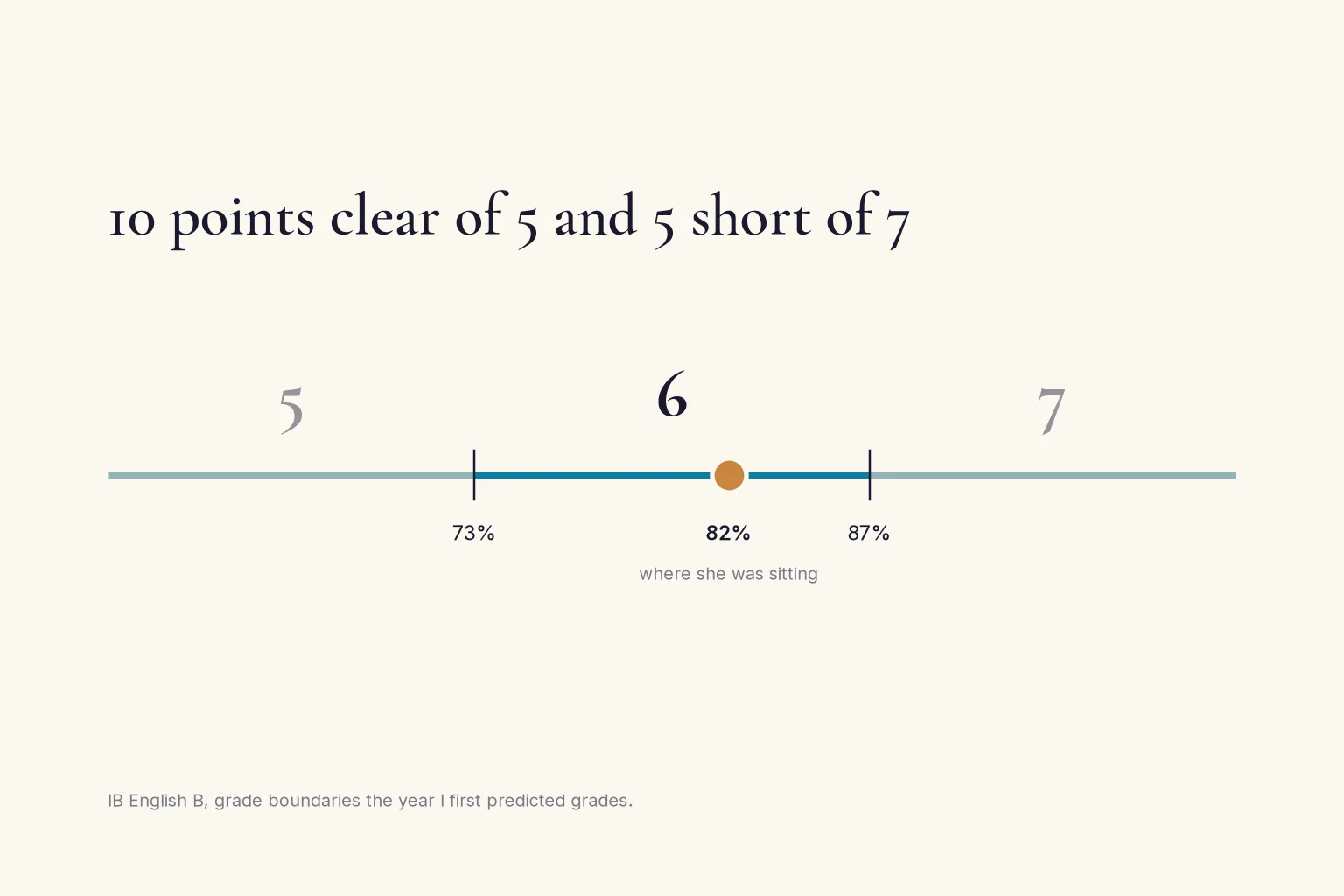
Why Your Strategic Students Are Right
Most Septembers, including this one, I have the same two conversations, usually a few weeks apart. Both students are waiting on a verdict that someone else will issue later, and both have tacitly accepted that the verdict is the thing worth having.
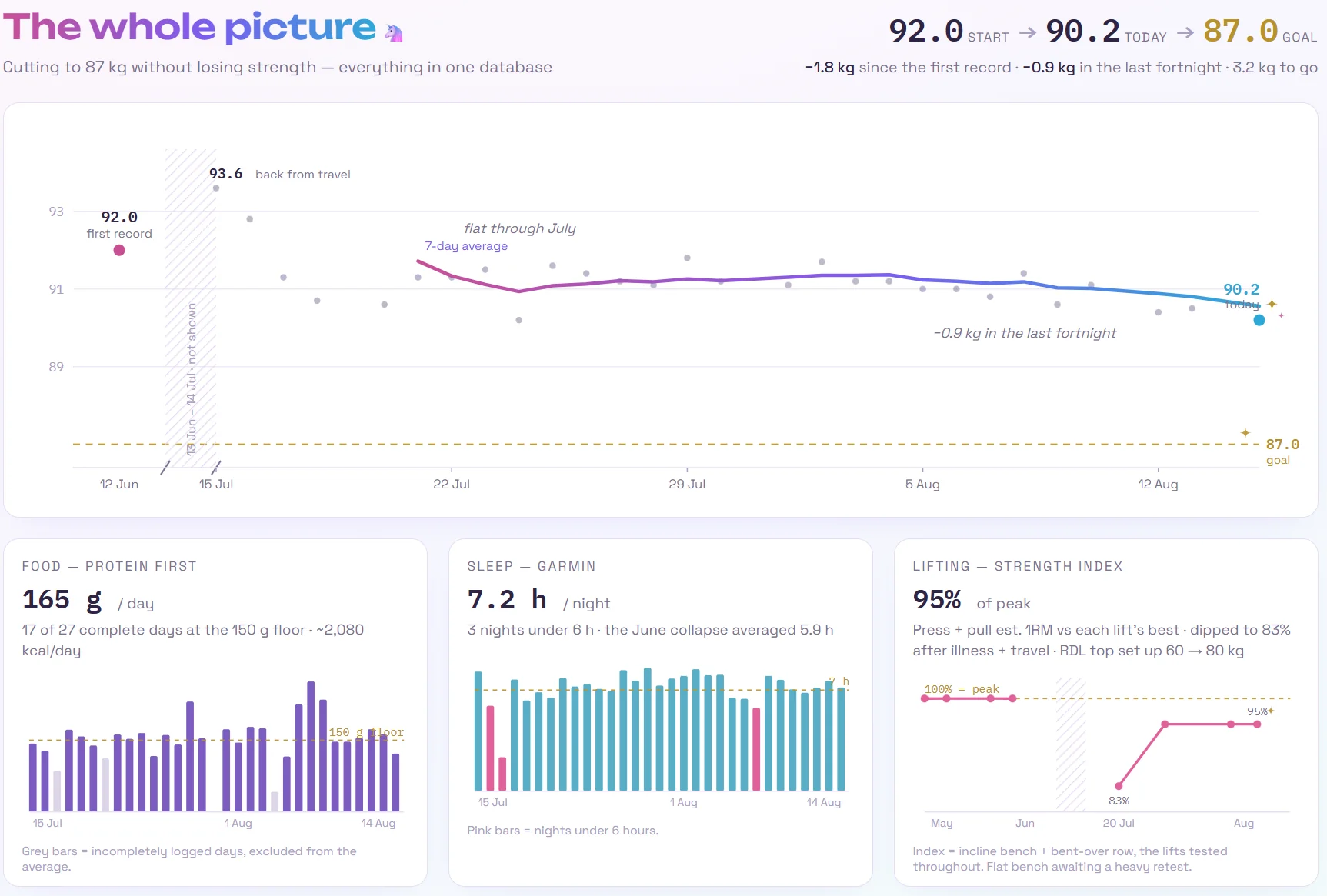
The Unicorn Dashboard Told Me What Three Apps Couldn't
Ten months ago an AI told me I couldn't build my own diet app. It was right about the project I described. Seven weeks of evenings later, a database, a cron job and Claude on my phone replaced three subscriptions.
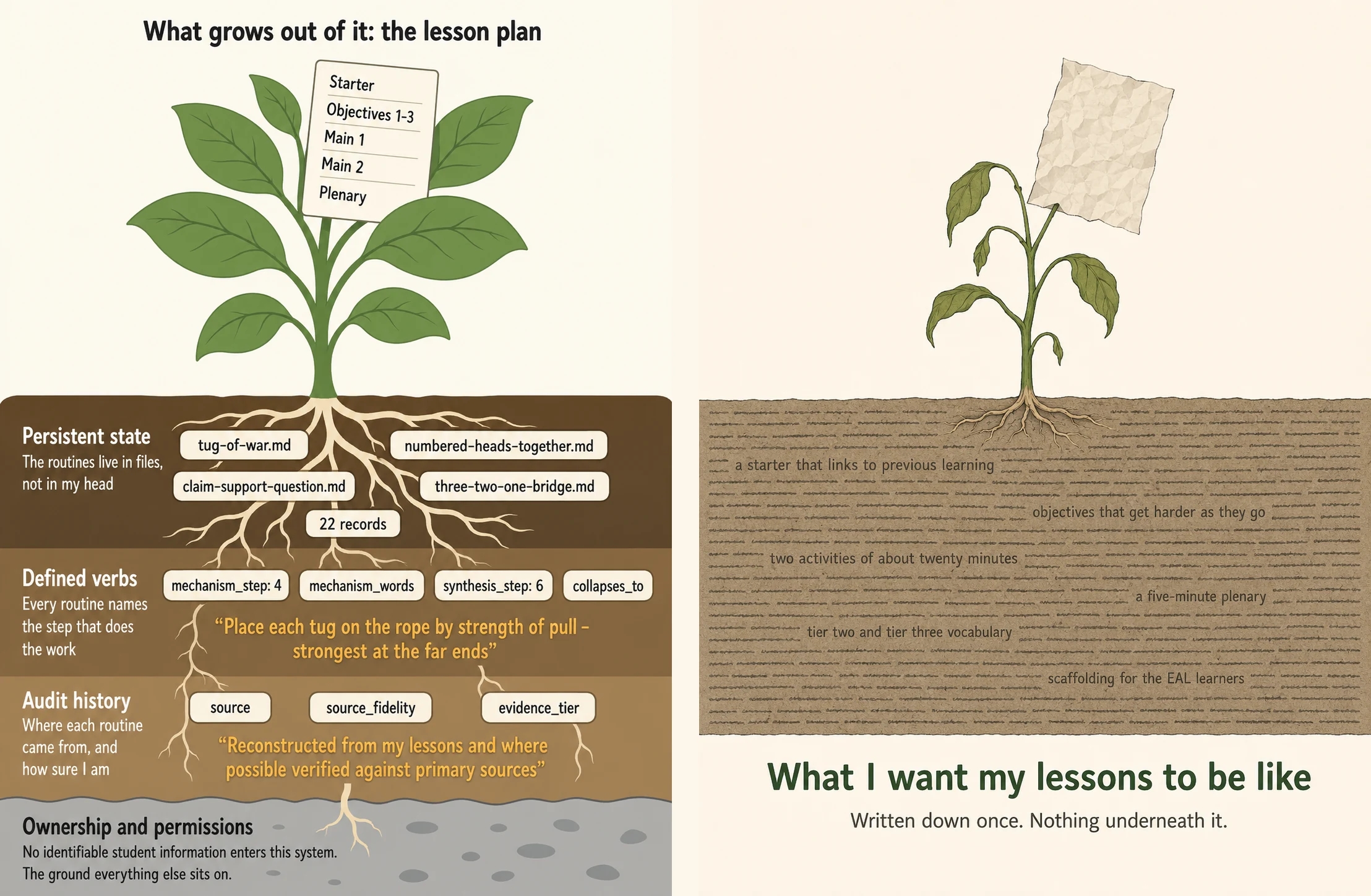
A Tug of War With No Tugging
Anthropic open-sourced the skill behind Claude for Teachers, so this time I could read it instead of guessing. Third verdict of the series: what sits underneath each tool runs in a different direction.
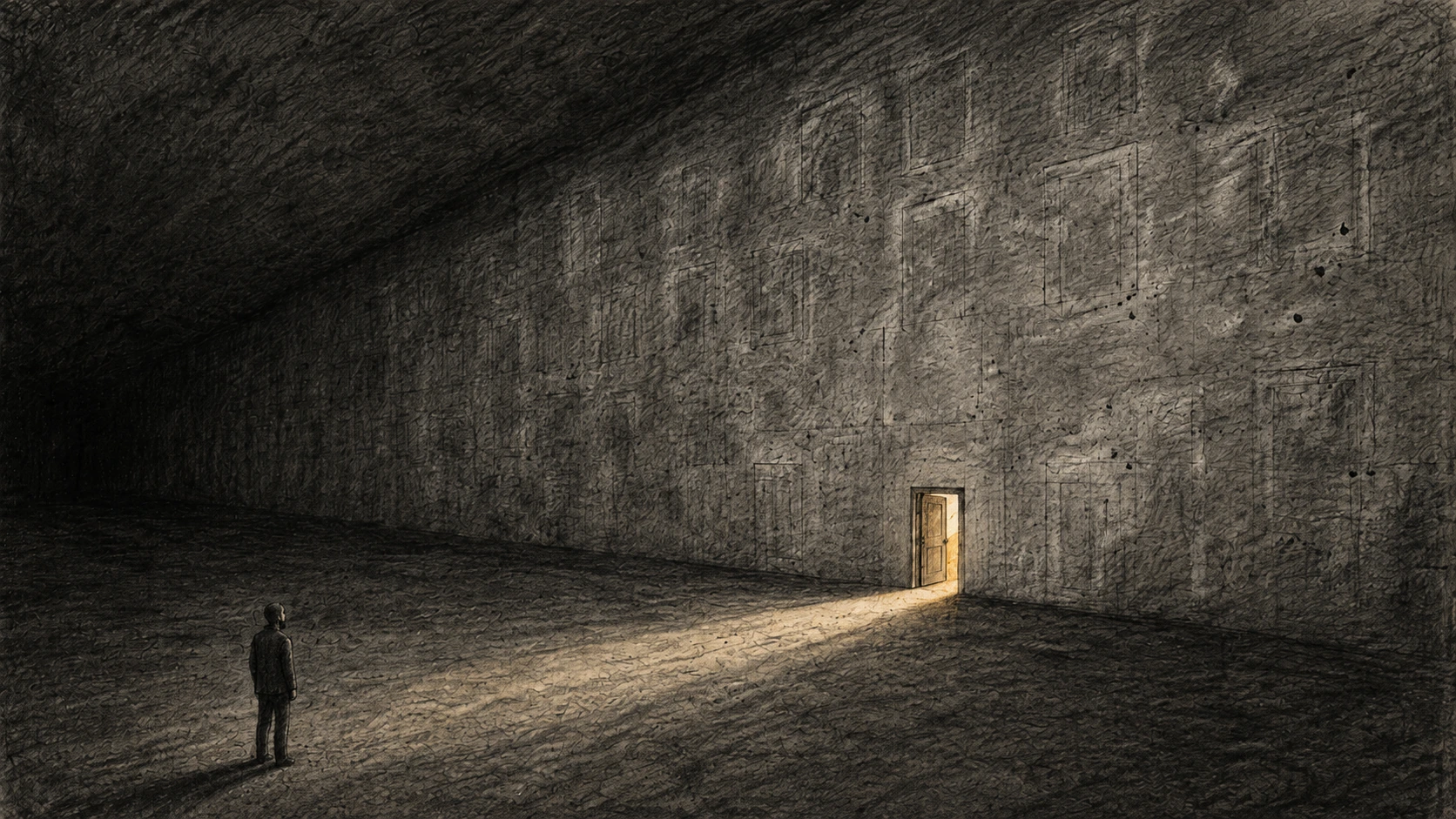
The Answers That Disappear When AI Is Right
Somebody decided what the right answer was. By the time it reaches you, it looks like the world.
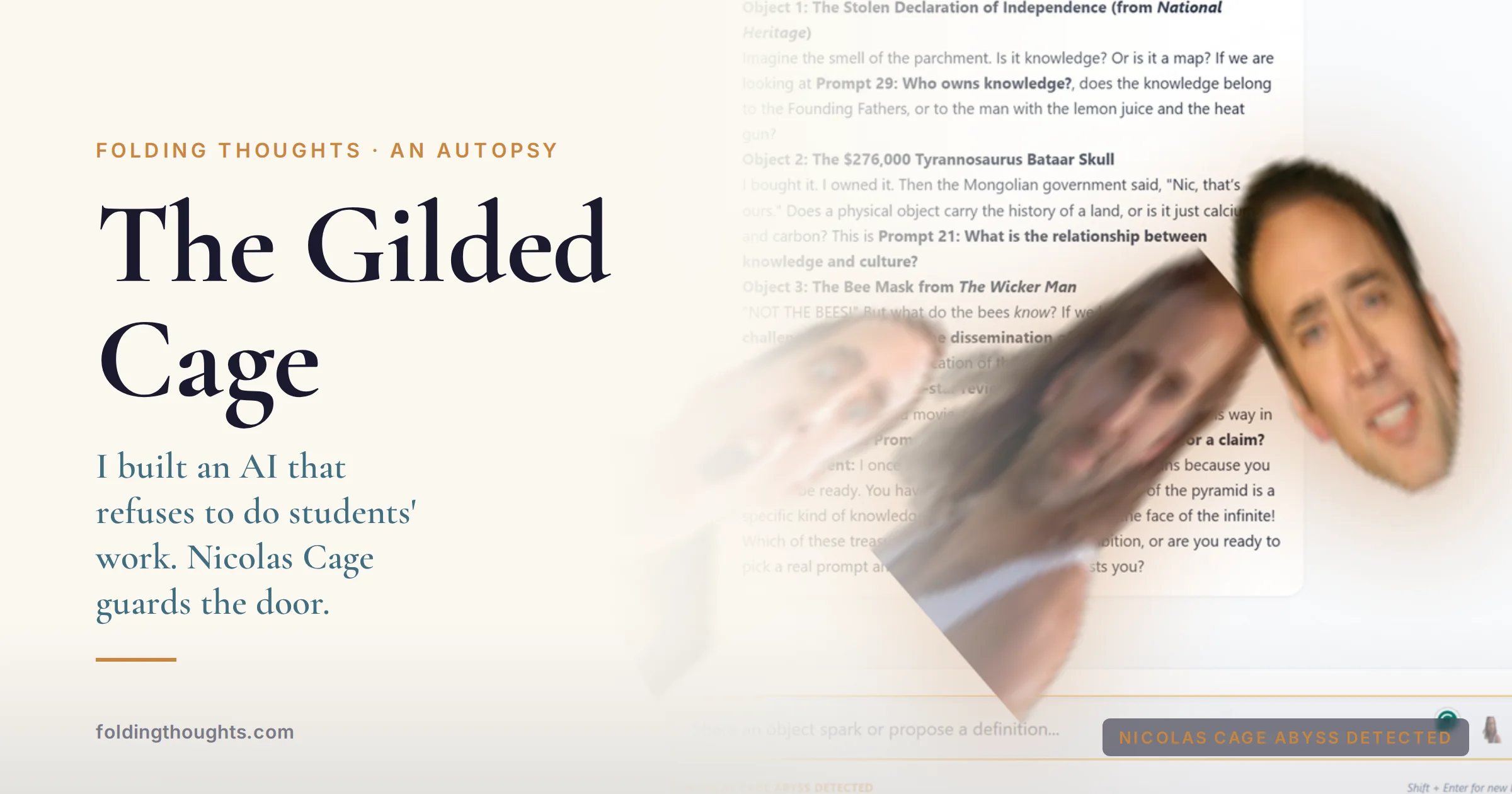
The Gilded Cage
I built a Socratic TOK bot that refuses to do students' work, with Nicolas Cage as the failsafe. Three months and 2,600 messages later, here's every way it leaked.
The Feedback Pipeline
I turn what I say out loud while reading a student's essay into margin comments in their Word document. First verdict of the promised series: Claude for Teachers missed this one.
The Compound Anthropic Forgot to Split
Anthropic just launched Claude for Teachers. I've spent eighteen months building most of it by hand—so I can say which half of the product helps teachers and which half quietly replaces them.
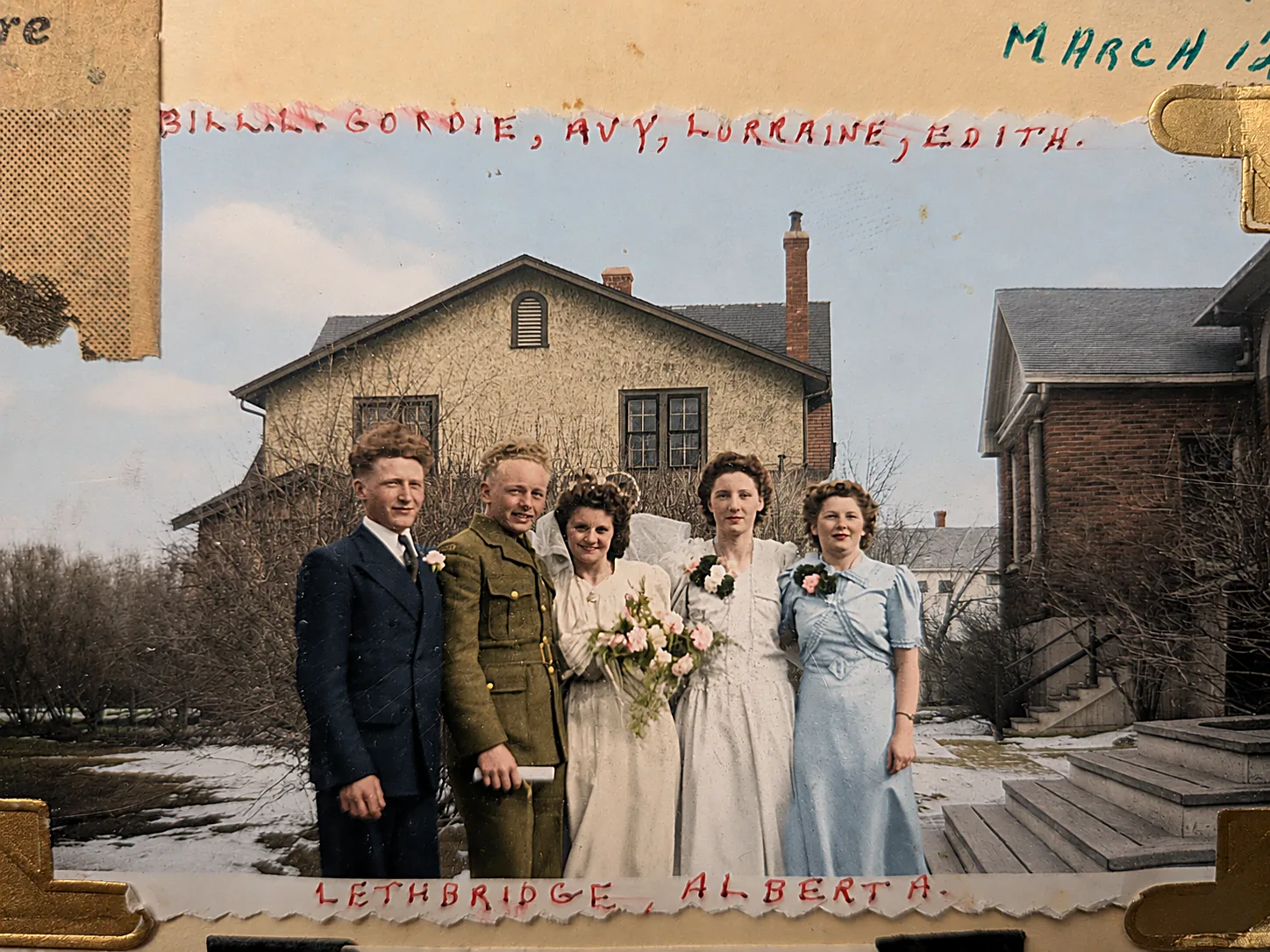
Downstream of Messing About
A dog-poop tracker, a voice clone for dad jokes, and my great-grandfather's wartime photographs. Fluency with AI is built on the useless projects—not the necessary ones.
Nowhere in My Job Description
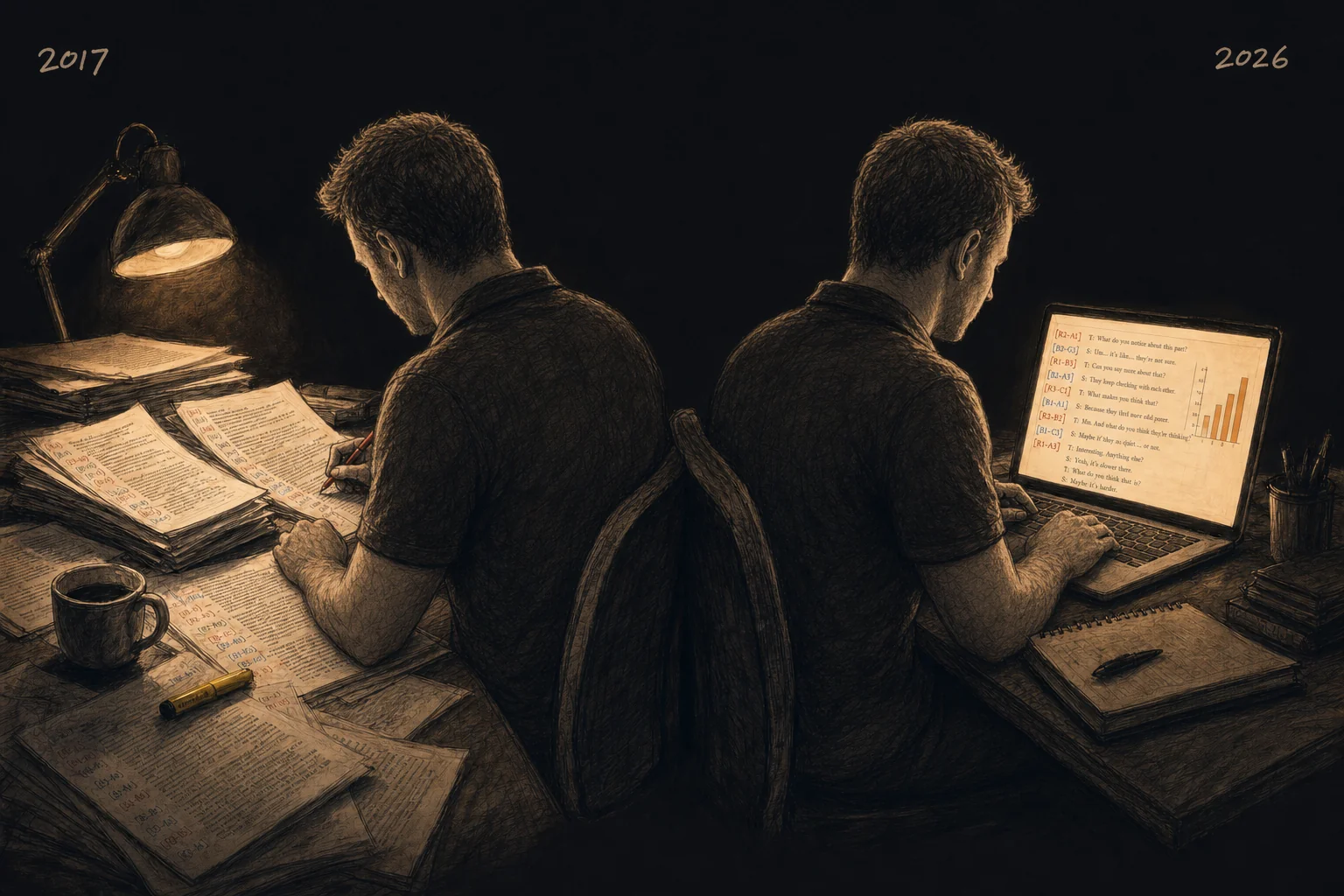
I ran discourse analysis on ten of my own lessons. The real work wasn't the recording or the coding—it was catching the machine every time it lied.
Learning AI Together
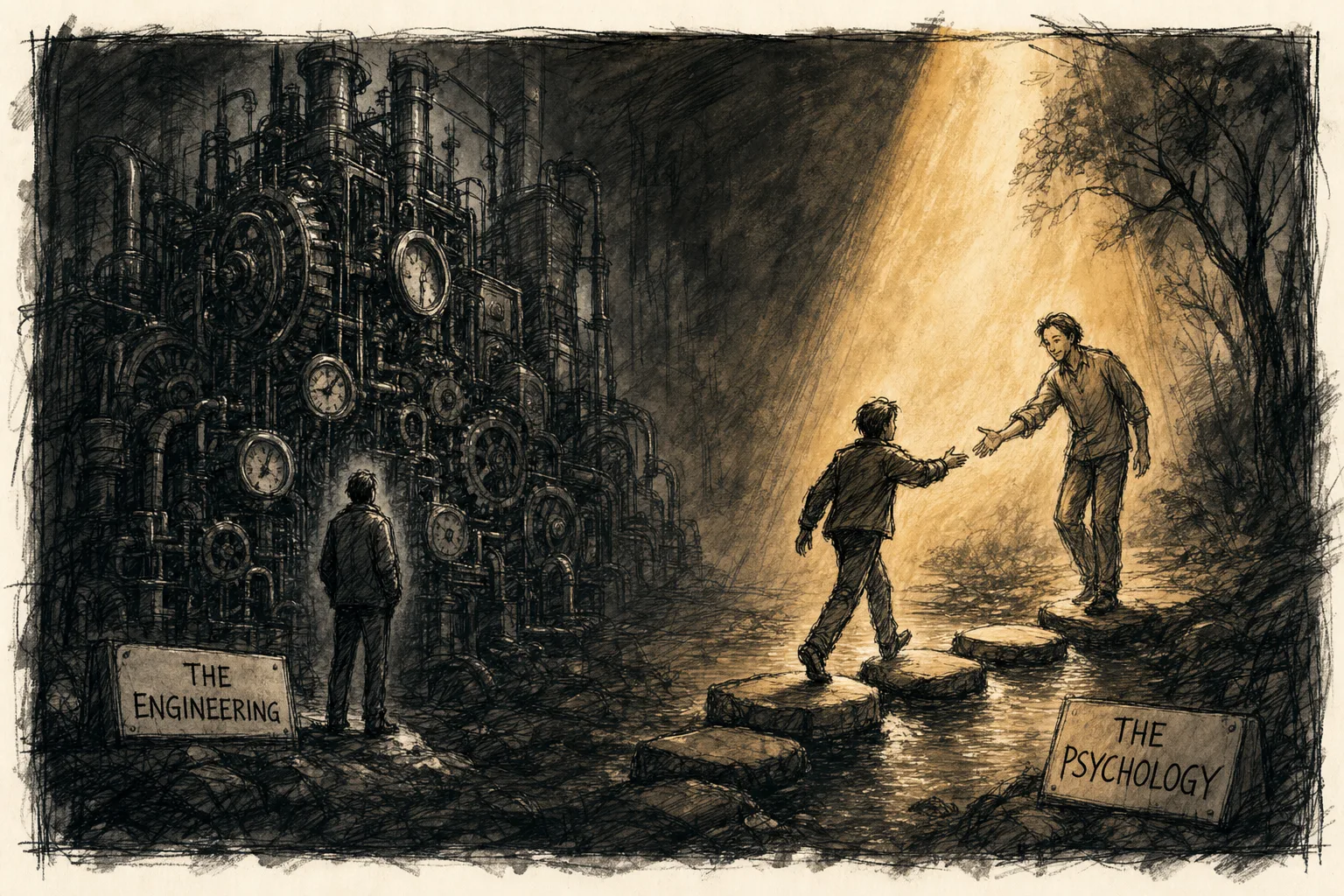
My jiu-jitsu coach taught what he was still learning, and said so out loud. That turned out to be the better way to lead a room into AI.
What Have You Deleted?
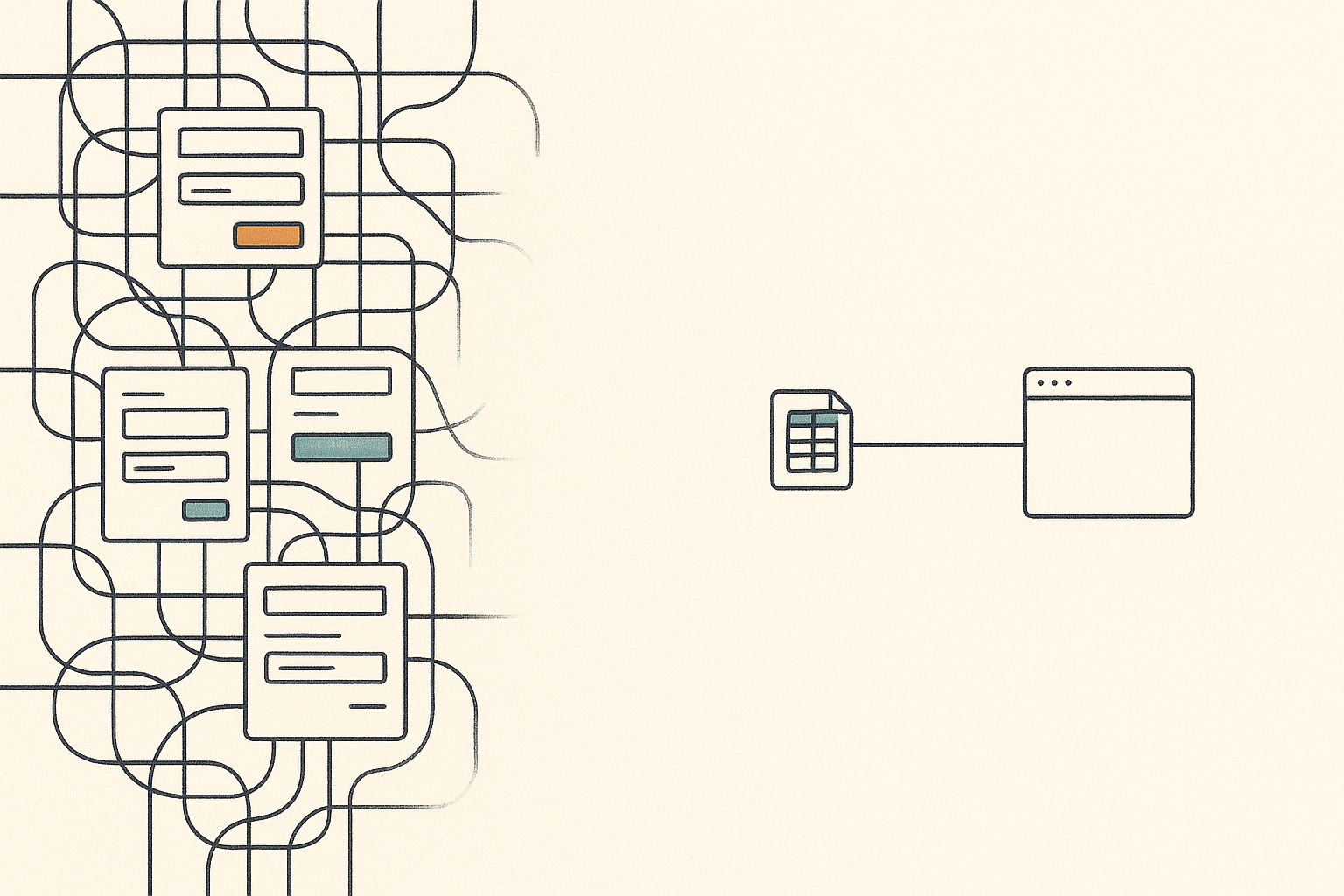
The real measure of AI isn't what you use it for—it's what you stop doing because of it.
The Illusion of Structure
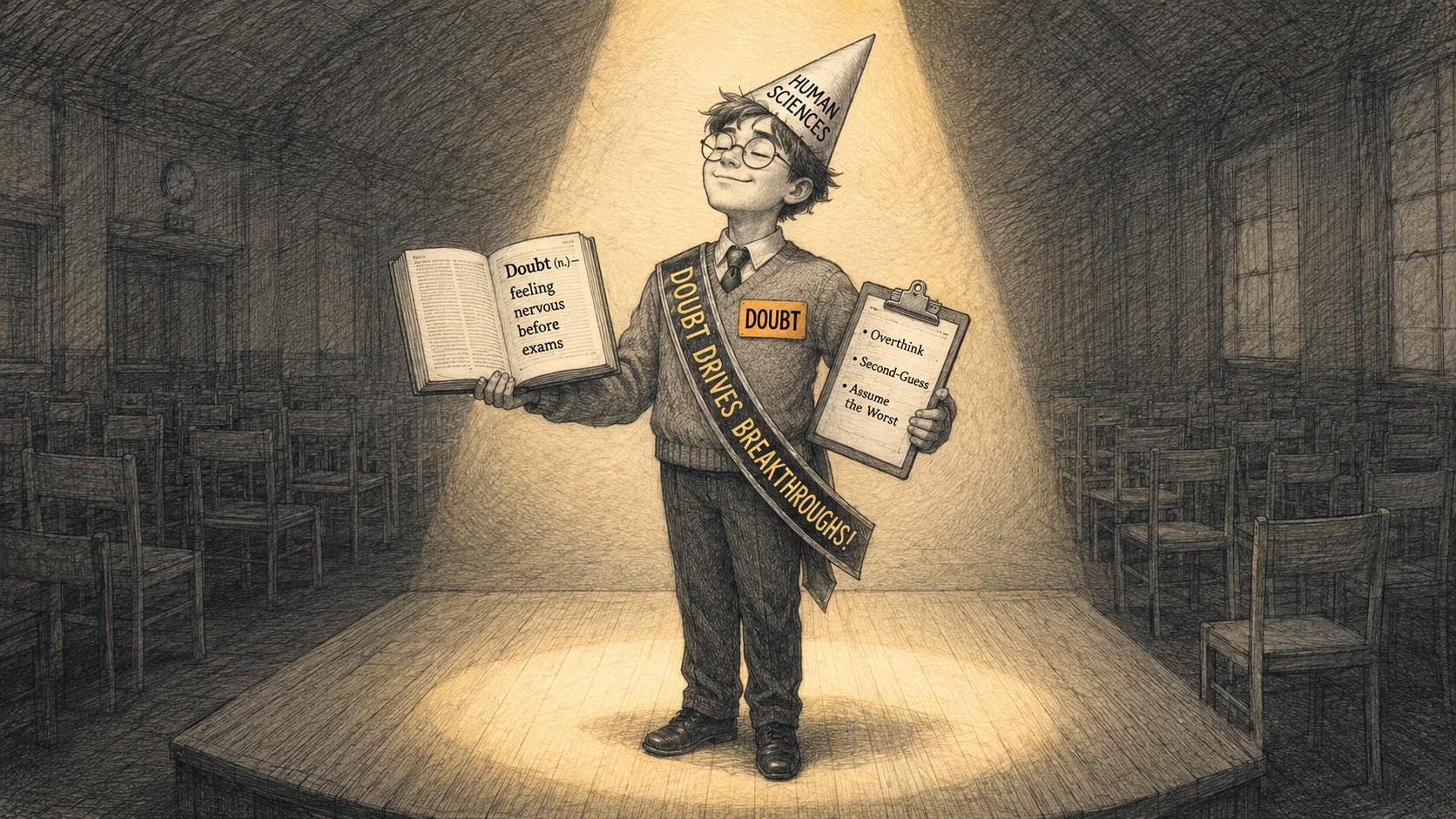
Five ways a TOK essay looks right and reads wrong—and the one move that fixes all of them.
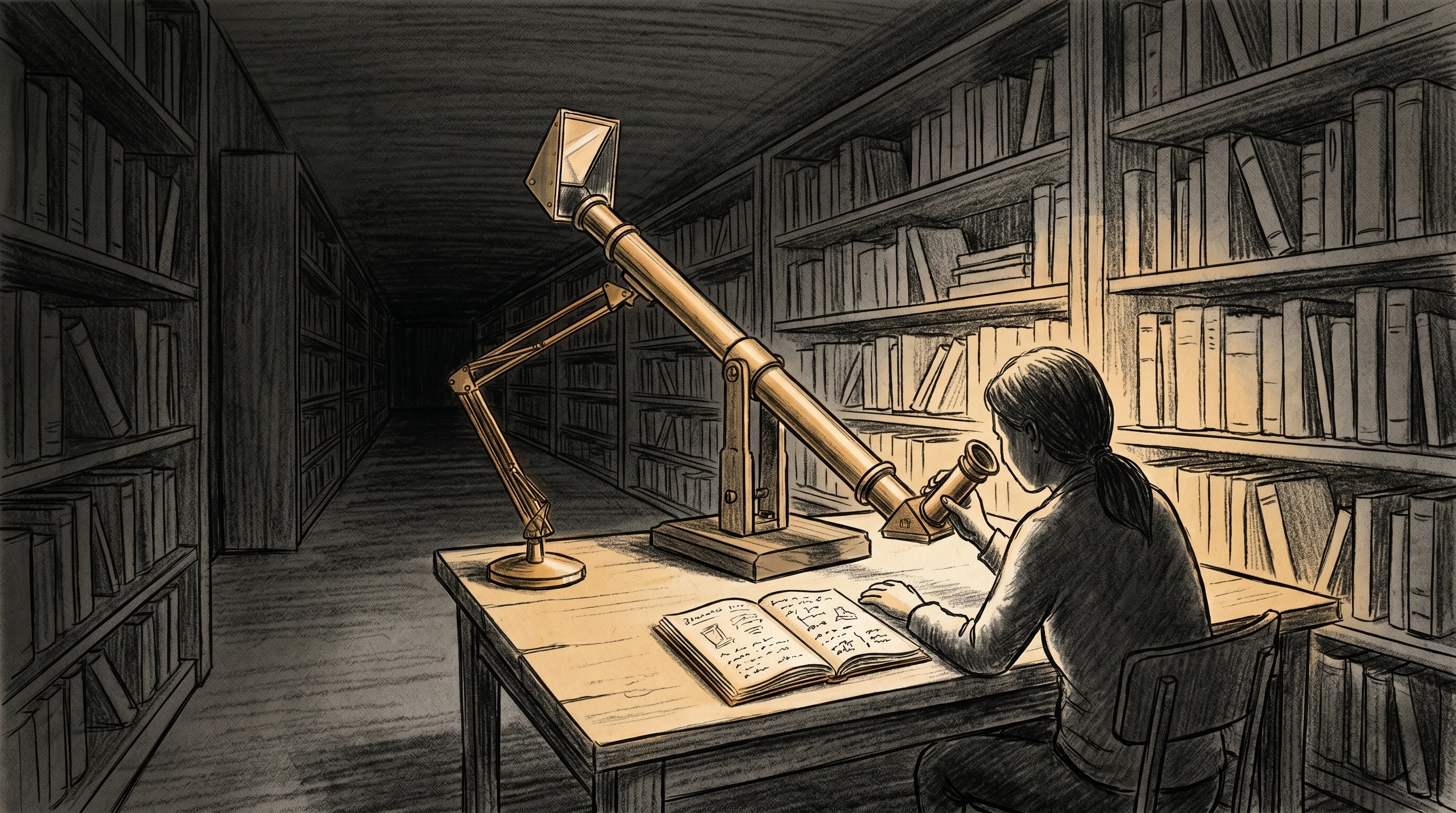
I Ran a Recursive Language Model on Myself
A recursive diagnostic interview I ran on myself — the technique I failed to use when I needed it most. Something of Ted Chiang's Exhalation in it.
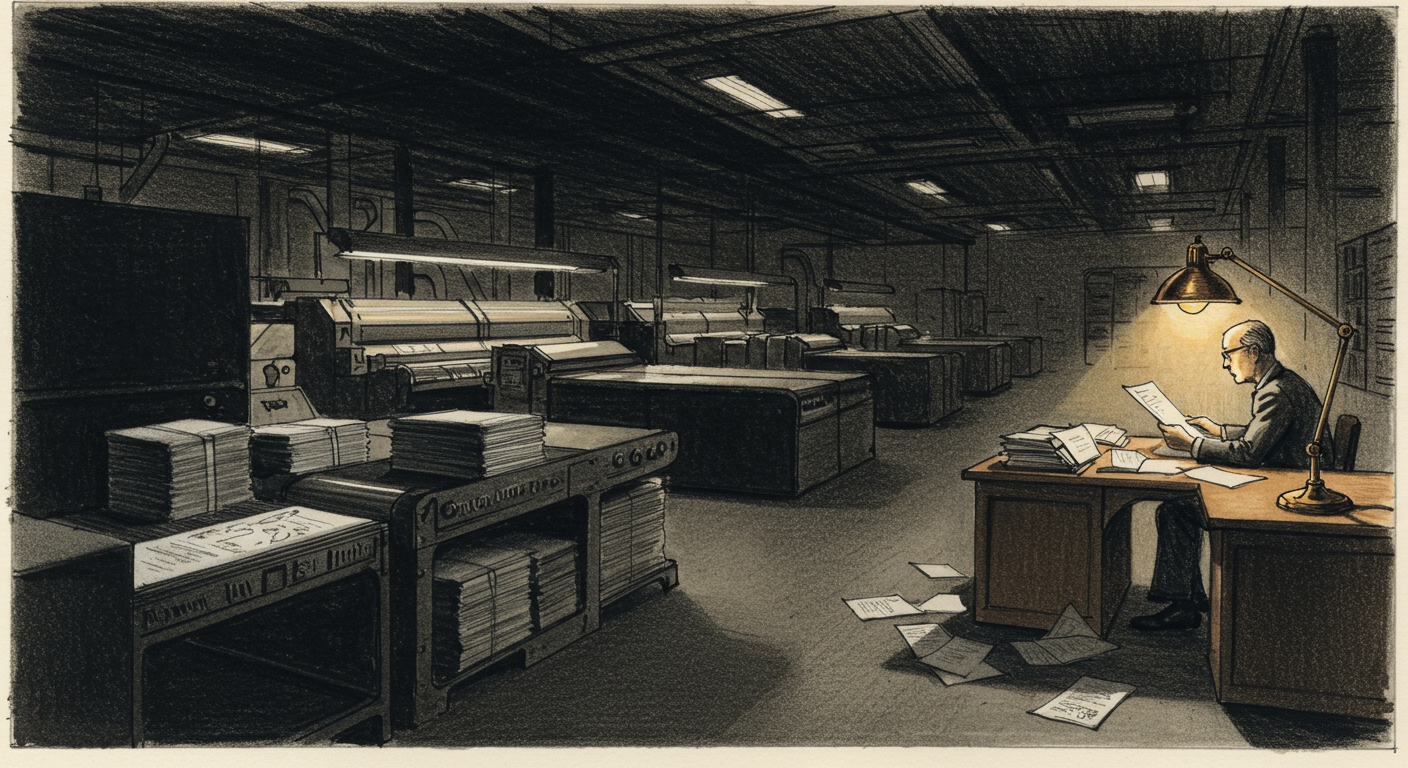
The Dark Factory
I recorded 30 of my lessons and asked AI to tell me if I'm any good. 176,000 words of transcript, 702 questions coded, and findings I never would have spotted on my own.
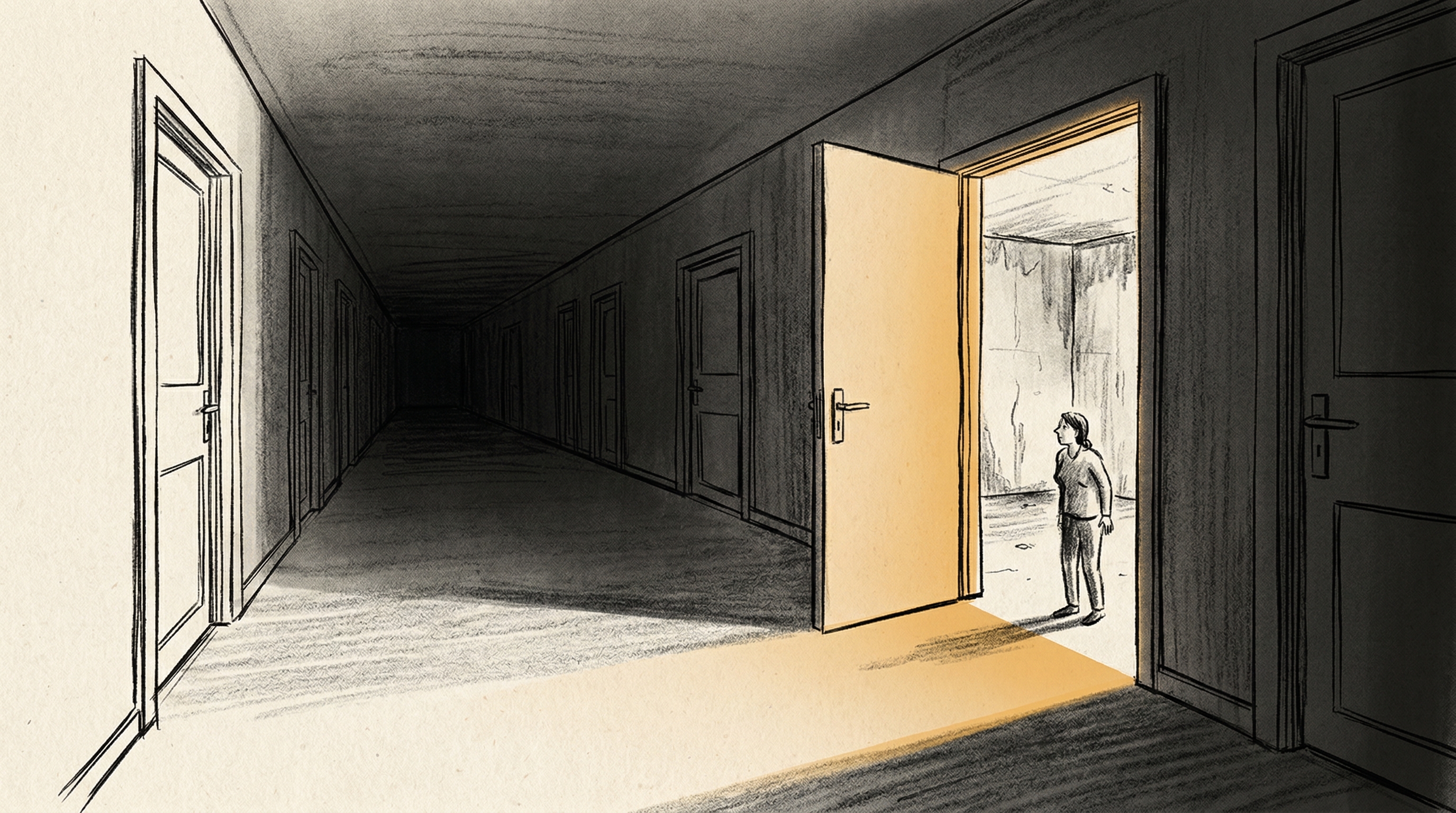
The Door and the Room
I used AI to build a high-stakes workshop — and fell apart delivering it. What I learned about the difference between AI as safety net versus AI as substitute.
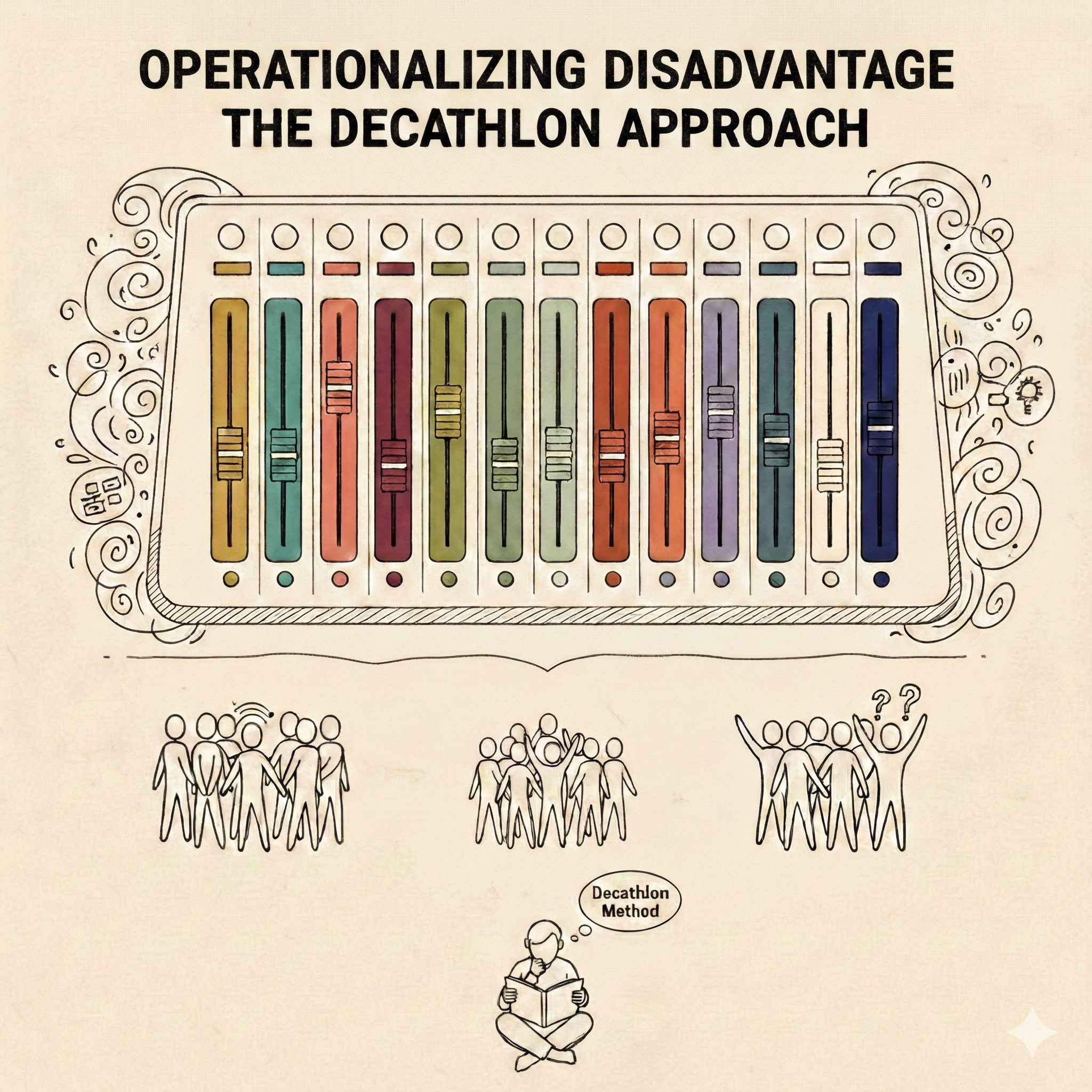
The Decathlon
How AI helped me rebuild a TOK lesson on disadvantage — turning Jonathan Wolff's decathlon model into an interactive web tool with 13 sliders and 9 real-world communities.
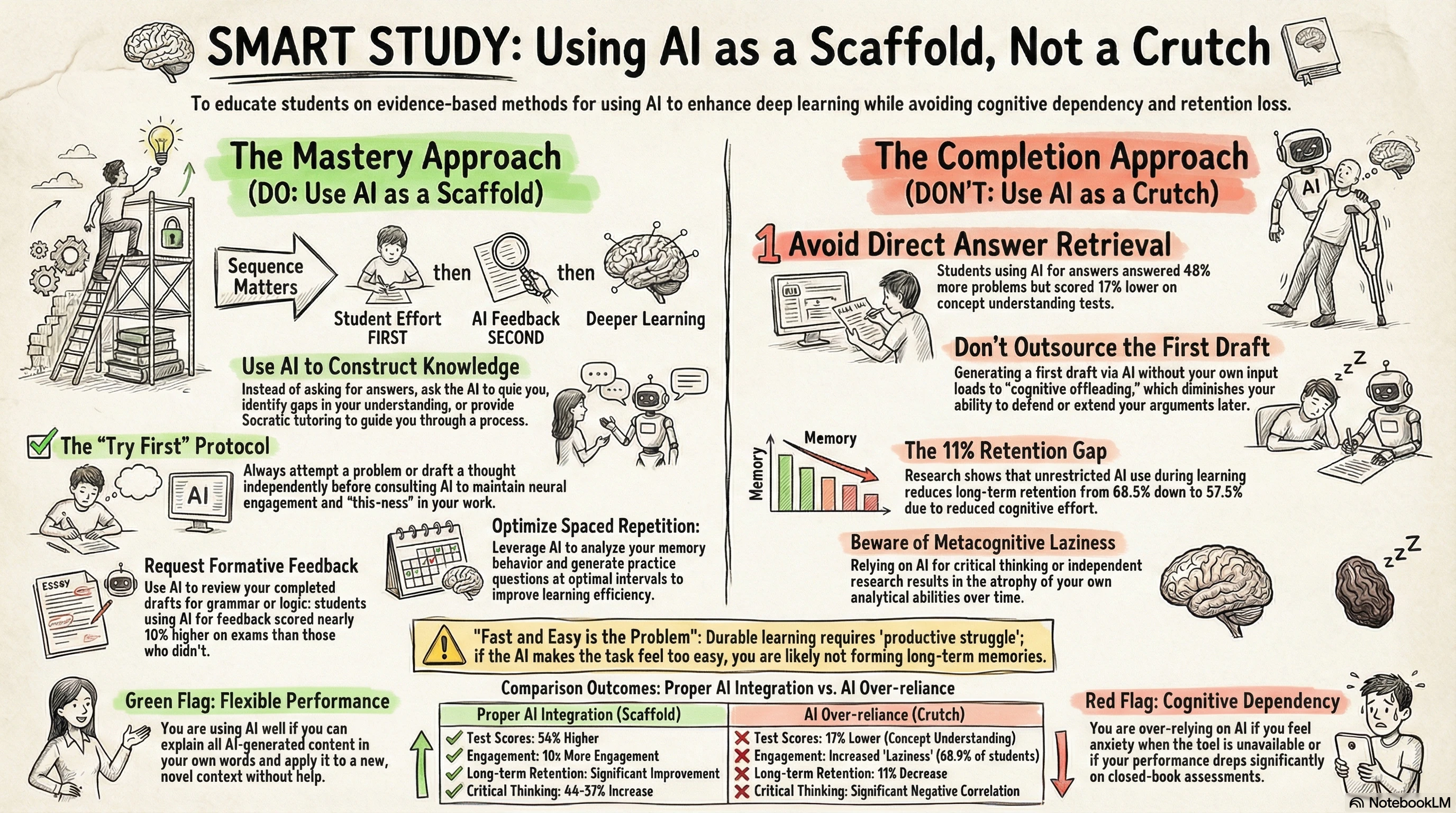
How to Actually Use AI to learn - some guidelines
Practical guidelines for using AI as a learning scaffold, not a crutch. Research-backed strategies for mastery approach vs completion approach.
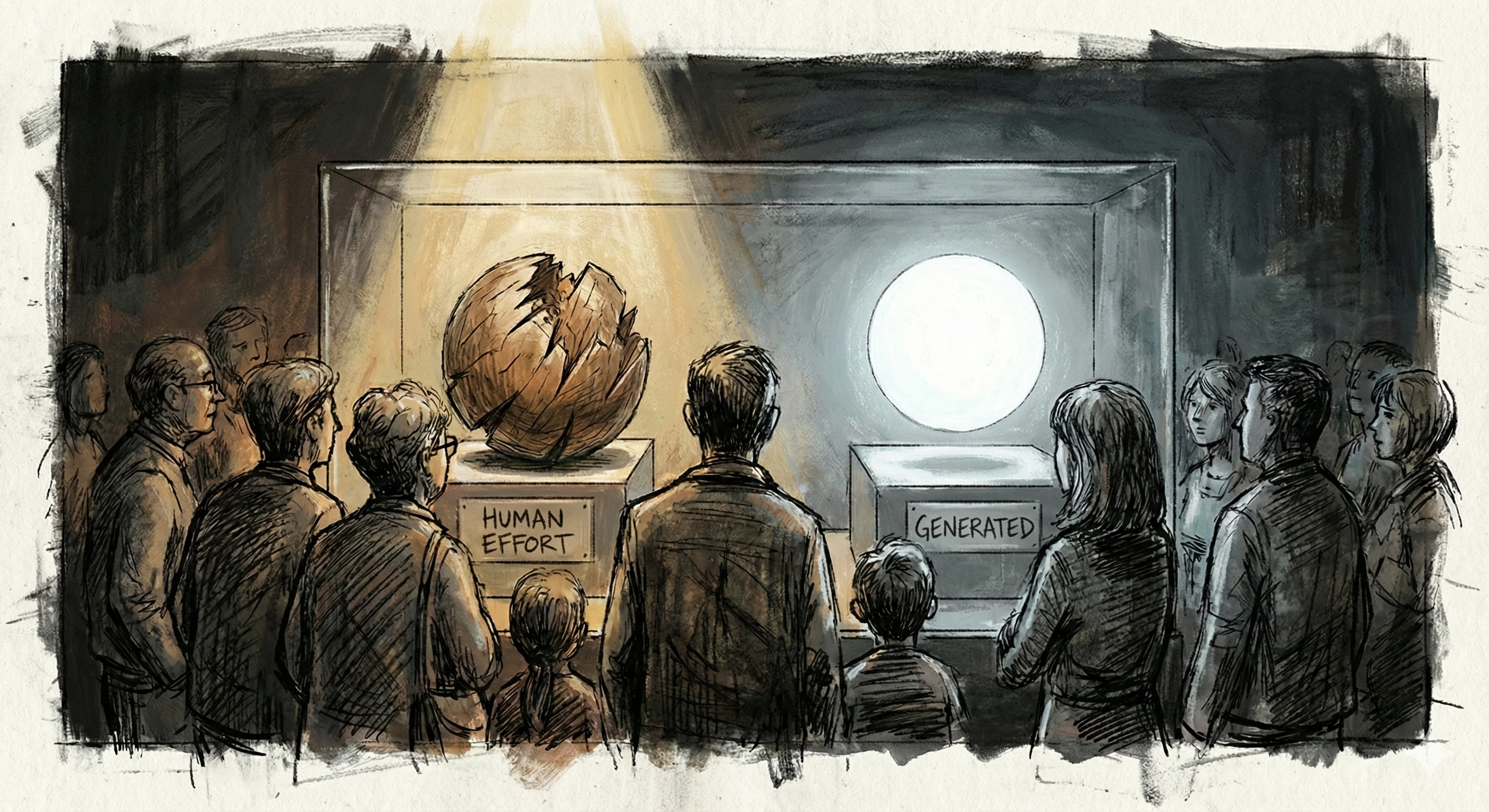
How to Use AI to Learn Instead of Robbing You of Your Learning
AI is a cognitive multiplier - but what you multiply matters more than the multiplier. Why sequence matters: building foundations before amplifying them.
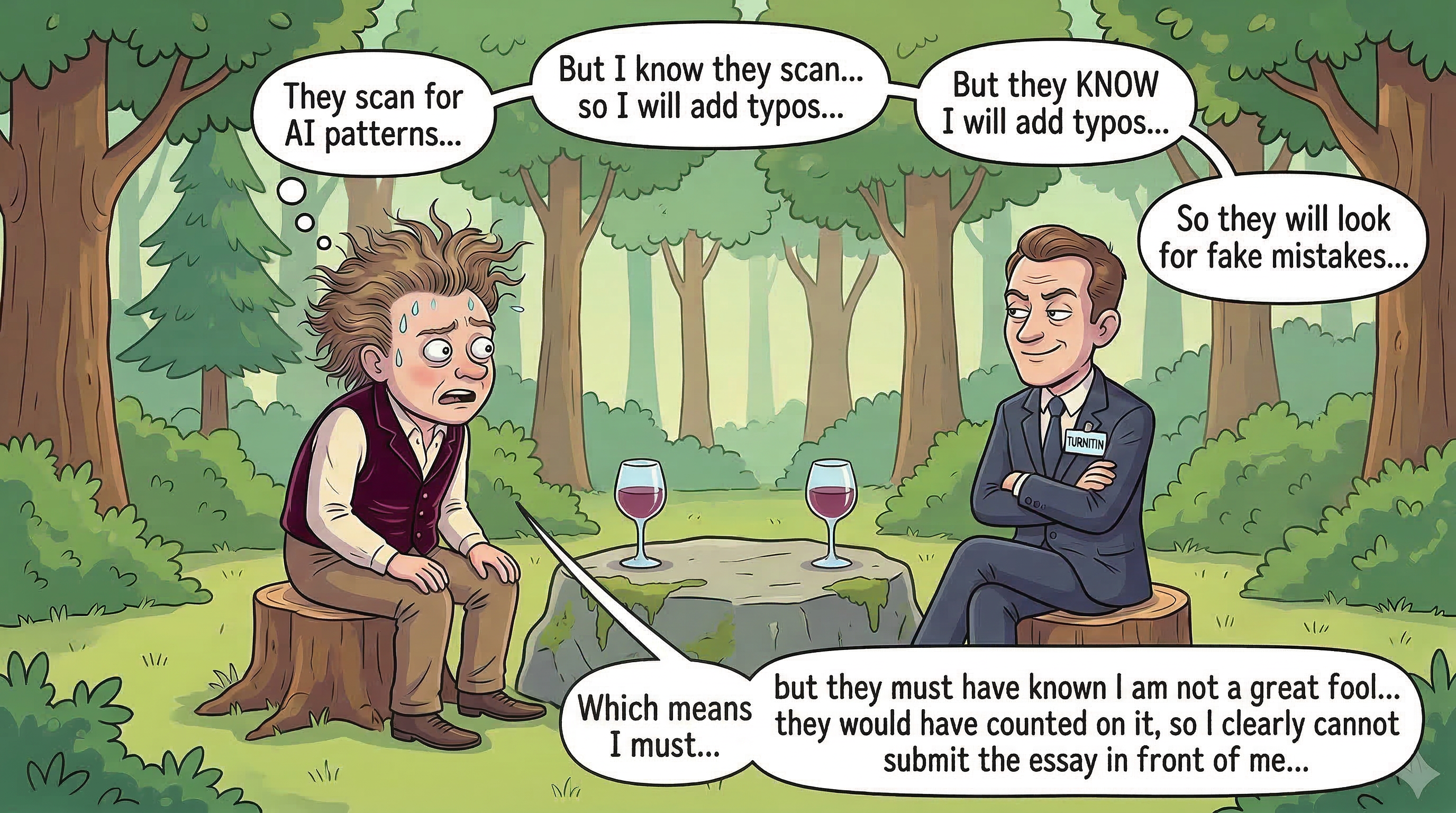
The Vizzini Dilemma of AI Detection
Schools try to detect AI. Students try to evade. Both are trapped in Vizzini's circular reasoning. Here's how to step outside the game entirely...
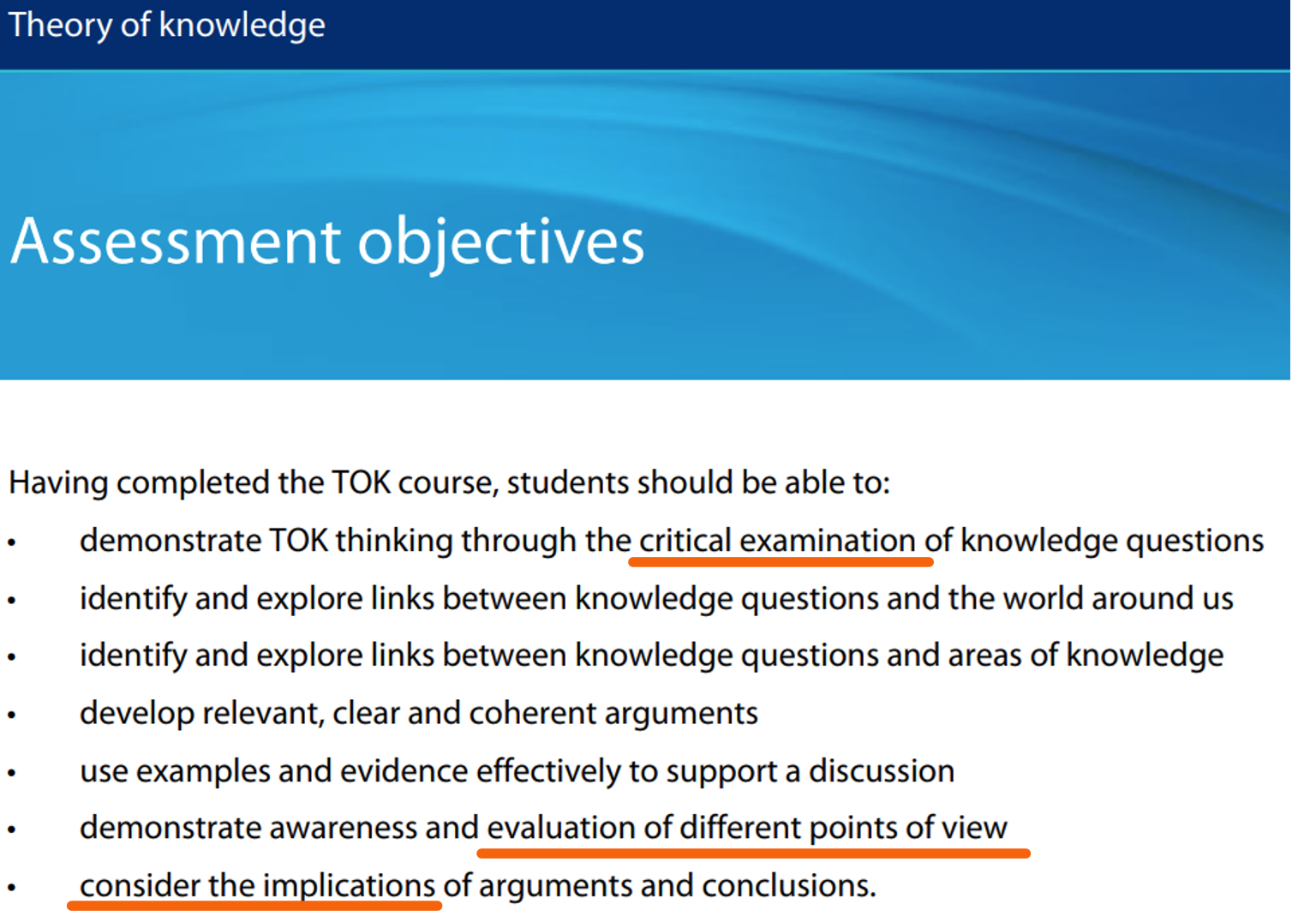
The Hidden Pattern in Every IB Grade Descriptor
Open any subject guide and flip to the grade descriptors for a 7. The word "evaluate" shows up every time. Here is what that means for your teaching...